Outsourcing PCI DSS Compliance:

PCI DSS SME
Weighing the Pros and Cons
With the ever-evolving threat landscape, ensuring compliance with the Payment Card Industry Data Security Standard (PCI DSS) is crucial for any organization that handles cardholder data. While navigating the complexities of PCI compliance can be daunting, outsourcing these tasks to a qualified service provider may be a viable solution. But before making a decision, it's important to weigh the pros and cons carefully.
Pros of Outsourcing PCI DSS Compliance:
1. Reduced Costs: Building and maintaining an internal PCI compliance team requires significant investments in personnel, training, and technology. Outsourcing can be a cost-effective alternative, particularly for small and medium-sized businesses.
2. Access to Expertise: PCI compliance is a complex and ever-changing field. Service providers have dedicated teams of experts who are constantly updated on the latest regulations and best practices, ensuring your organization remains compliant.
3. Increased Efficiency: Outsourcing frees up your internal resources to focus on core business functions while experts handle the intricacies of PCI compliance.
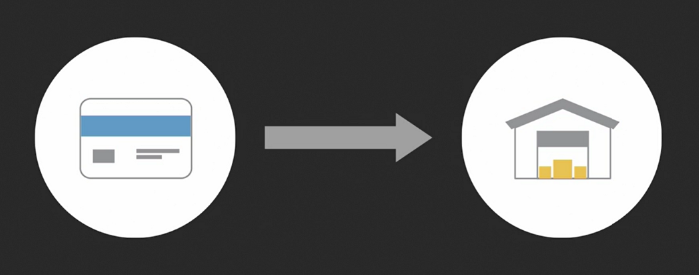
4. Reduced Scope: By outsourcing specific functions like cardholder data storage or payment processing, you can potentially reduce your PCI compliance scope, making the process easier to manage.
5. Improved Security: Experienced service providers have robust security protocols and infrastructure in place, potentially enhancing the overall security posture of your organization.
6. Transfer of Breach Costs: Some service providers offer breach insurance, transferring the financial burden of a data breach to them.
Cons of Outsourcing PCI DSS Compliance:
1. Loss of Control: By outsourcing, you relinquish some control over your sensitive data and security processes. This necessitates thorough vendor due diligence and a robust service level agreement.
2. Lack of Visibility: Without direct oversight, it can be difficult to monitor the service provider's activities and ensure they are adhering to PCI requirements.
3. Potential Compliance Gaps: Communication gaps or misaligned expectations with the service provider can lead to unintentional compliance gaps.
4. Vendor Lock-in: Switching service providers can be complex and expensive, potentially locking you into a long-term contract.
5. Reliance on Third-Party Stability: The success of your PCI compliance program depends on the stability and security of your service provider. Any disruptions or breaches on their end can impact your organization.
6. Regulatory Reporting: While the service provider handles the technical aspects of compliance, you remain ultimately responsible for ensuring overall compliance and reporting to the PCI Council.
Making the Decision:
The decision to outsource PCI DSS compliance should be based on a careful evaluation of your organization's specific needs, resources, and risk tolerance. Consider conducting a cost-benefit analysis and thoroughly vetting potential service providers. Remember, outsourcing is not a "set it and forget it" solution. Ongoing communication, monitoring, and collaboration are essential for successful PCI compliance through outsourcing.
This blog post aims to provide a general overview of the pros and cons of outsourcing PCI DSS compliance. It's important to consult with a qualified legal and security professional to evaluate your specific situation and make the best decision for your organization.